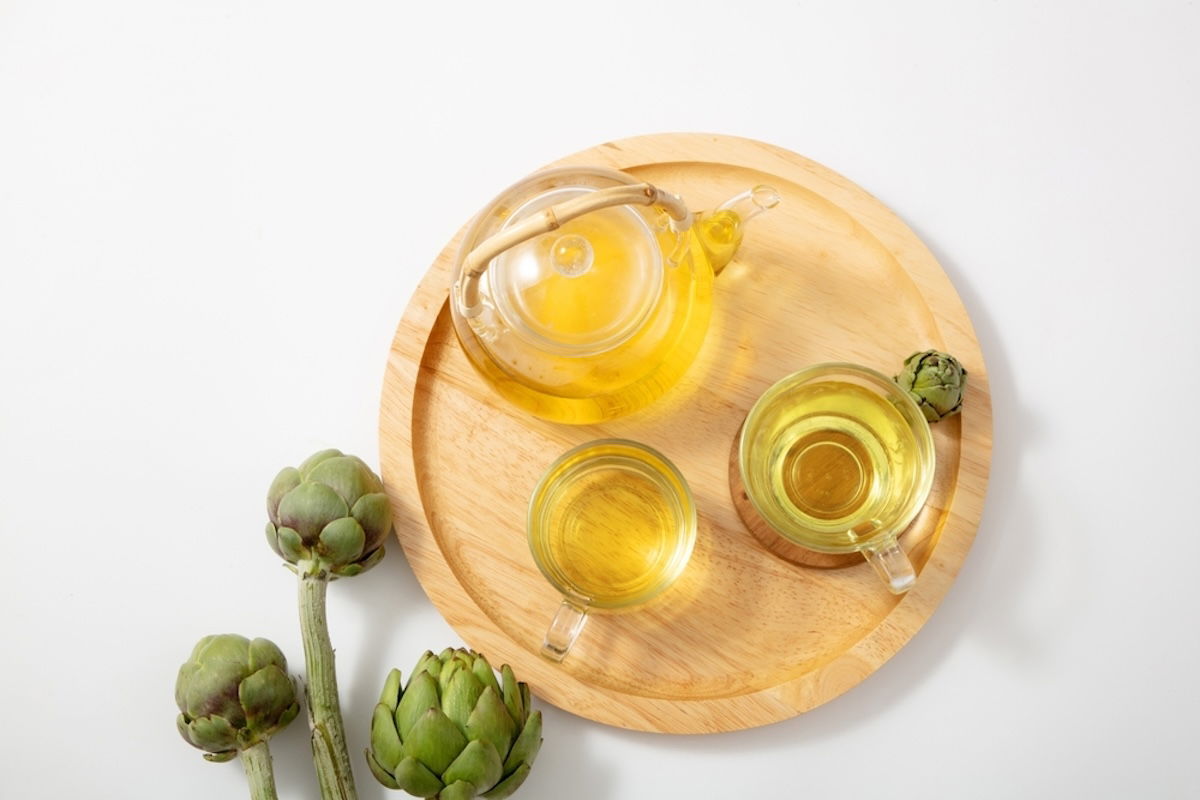
Taking Control: Natural Approaches to Lower Cholesterol Without Medication
Receiving news of elevated cholesterol levels during a routine check-up can be unsettling. It’s a clear signal that it’s time to take proactive steps, as high cholesterol isn't a friend to your cardiovascular health. While the first line of defense often involves significant lifestyle adjustments related to diet and physical activity, which are usually highly effective, many individuals also seek natural ways to support these efforts. This pursuit of natural methods, often known as Remedios Caseros Para Bajar El Colesterol, can play a crucial role in managing your health before pharmacological therapy becomes a necessity.
Understanding what cholesterol is, its function, and how it impacts your body is the first step toward effective management. Far from being an entirely harmful substance, cholesterol is a vital fatty component present in all your cells. It's fundamental for various metabolic processes, including the production of essential hormones, bile acids necessary for digestion, and the synthesis of vitamin D.
Demystifying Cholesterol: Good vs. Bad
The idea that cholesterol is entirely bad is a common misconception. The key lies in maintaining a healthy balance between its different types. In your blood, there are two primary fats: cholesterol and triglycerides. These fats are transported through your bloodstream by lipoproteins, which are classified into different types:
- LDL Cholesterol (Low-Density Lipoprotein): Often labeled as "bad" cholesterol, LDL is problematic when its levels are too high. It contributes to the buildup of plaque in your arteries, narrowing their channels and significantly increasing the risk of cardiovascular diseases such as heart attacks and strokes.
- HDL Cholesterol (High-Density Lipoprotein): Known as "good" cholesterol, HDL acts as a scavenger. It helps remove excess cholesterol from your arteries, preventing plaque accumulation and protecting against cardiovascular issues. Higher levels of HDL are generally beneficial.
The sum of these types gives you your total cholesterol reading. However, a crucial aspect of your lipid profile is the ratio: ideally, you want a higher HDL level compared to your LDL. While normal values can vary based on individual factors like age and sex, general guidelines suggest an LDL level below 100 mg/dl, and certainly never above 190 mg/dl. For HDL, levels below 50 mg/dl are considered less protective, with anything above 60 mg/dl indicating a good protective level. Globally, total cholesterol below 200 mg/dl is desirable. Levels above 200 mg/dl warrant attention and lifestyle changes, with readings over 240 mg/dl posing a significant health risk. For a deeper dive into these classifications, you can refer to our article on Cholesterol Explained: Good, Bad, and How to Lower It Naturally.
Why High Cholesterol Matters & Immediate Steps for Change
As previously mentioned, persistently high cholesterol levels are dangerous primarily due to their impact on your arteries, restricting blood flow and escalating the risk of serious heart conditions. The causes of elevated cholesterol can be multifaceted. While diet rich in saturated fats is a well-known culprit, other factors include genetic predispositions, uncontrolled diabetes mellitus, liver cirrhosis, thyroid gland disorders, and kidney failure. Fortunately, there are several areas where you can actively intervene to help bring those numbers down:
1. Prioritize Weight Management
One of the most impactful changes you can make is to manage your weight effectively. Reducing your overall body fat content leads to a decrease in the production of LDL cholesterol and can help elevate beneficial HDL levels. Furthermore, achieving a healthy weight improves insulin sensitivity, which enhances your body's ability to burn fats more efficiently, preventing the accumulation of LDL and triglycerides. Even a modest weight loss can yield significant positive changes in your lipid profile.
2. Embrace Regular Physical Activity
Closely linked to weight management, regular exercise is a cornerstone of cholesterol control. Engaging in physical activity consistently helps you lose weight, which, as discussed, directly contributes to lower cholesterol. Beyond weight loss, exercise strengthens your cardiovascular system, improves blood circulation, and can directly impact your lipid levels by boosting HDL and lowering LDL. Aim for at least 150 minutes of moderate-intensity aerobic activity or 75 minutes of vigorous activity per week, complemented by strength training on two or more days.
Effective Home Remedies and Holistic Lifestyle Adjustments
While diet and exercise form the foundation, a variety of natural approaches and specific dietary additions can amplify your efforts to lower cholesterol. These Remedios Caseros Para Bajar El Colesterol focus on harnessing the power of nature and healthy habits.
Dietary Powerhouses for Cholesterol Reduction:
- Increase Soluble Fiber Intake: Foods rich in soluble fiber act like a sponge, binding to cholesterol in your digestive tract and preventing its absorption into the bloodstream.
- Sources: Oats, barley, apples, pears, citrus fruits, lentils, beans, psyllium husk, and many vegetables like Brussels sprouts and carrots.
- Tip: Start your day with oatmeal or add legumes to soups and salads regularly.
- Incorporate Omega-3 Fatty Acids: These essential fats are renowned for their heart-protective benefits, primarily by reducing triglycerides and potentially raising HDL cholesterol.
- Sources: Fatty fish such as salmon, mackerel, herring, and sardines. Plant-based sources include flaxseeds, chia seeds, and walnuts.
- Tip: Aim for two servings of fatty fish per week, or consider daily supplementation with high-quality fish oil after consulting your doctor.
- Harness Plant Sterols and Stanols: These plant compounds are structurally similar to cholesterol and can effectively block its absorption in the gut.
- Sources: Naturally found in small amounts in nuts, seeds, fruits, and vegetables. They are also added to fortified foods like certain margarines, yogurts, and orange juice.
- Tip: Look for products fortified with plant sterols/stanols, but be mindful of their overall nutritional content.
- Opt for Healthy Fats: Replace unhealthy saturated and trans fats with monounsaturated and polyunsaturated fats.
- Sources: Olive oil, avocados, almonds, cashews, and pecans.
- Tip: Cook with extra virgin olive oil, add avocado to your meals, and snack on a handful of nuts.
- Garlic: While scientific evidence varies on its direct impact on cholesterol reduction, garlic has long been associated with cardiovascular benefits, including modest reductions in blood pressure and anti-inflammatory properties.
- Tip: Incorporate fresh garlic into your cooking daily.
- Green Tea: Rich in antioxidants called catechins, green tea has been shown in some studies to contribute to a modest reduction in LDL cholesterol levels.
- Tip: Replace sugary drinks with 2-3 cups of green tea daily.
- Limit Saturated & Trans Fats, Refined Carbs, and Sugars: Significantly reduce your intake of red meat, processed foods, fried items, and baked goods high in saturated and trans fats. Also, be mindful of excessive sugar and refined carbohydrate consumption, as these can contribute to elevated triglyceride levels.
Beyond Diet: Holistic Lifestyle Factors:
- Manage Stress: Chronic stress can indirectly impact your cholesterol levels by influencing hormonal balance and promoting unhealthy coping mechanisms (e.g., comfort eating).
- Tip: Practice mindfulness, meditation, yoga, or engage in hobbies that help you relax.
- Quit Smoking: Smoking significantly lowers HDL (good) cholesterol and damages blood vessel walls, making them more prone to plaque buildup. Quitting is one of the most beneficial steps you can take for your cardiovascular health.
- Moderate Alcohol Consumption: While some studies suggest moderate alcohol intake may raise HDL, excessive alcohol consumption can dramatically increase triglyceride levels and negatively impact liver health.
Embracing these Combat High Cholesterol: Holistic Approaches for Cardiovascular Health involves a committed and consistent effort.
Important Considerations: When to Consult a Professional
While home remedies and lifestyle changes are powerful tools in managing cholesterol, it's crucial to remember they are complementary to, not replacements for, professional medical advice. Always discuss any significant dietary or lifestyle changes with your doctor, especially if you have pre-existing health conditions or are already on medication. Regular monitoring of your cholesterol levels is essential to track progress and adjust your approach as needed. If, despite consistent efforts with diet, exercise, and natural remedies, your cholesterol levels remain stubbornly high, or if you have a strong family history of heart disease, your doctor may need to consider other interventions.
Conclusion
Taking a proactive stance against high cholesterol is a journey towards better cardiovascular health. By understanding the nature of cholesterol, adopting a balanced diet rich in soluble fiber and healthy fats, committing to regular physical activity, and integrating powerful natural remedies and lifestyle adjustments, you can significantly influence your lipid profile. These effective Remedios Caseros Para Bajar El Colesterol offer a holistic path to managing your health. Consistency is key, as is a partnership with your healthcare provider, ensuring that your efforts are both safe and effective in helping you lead a heart-healthy life.